Why Wool Holds Warmth: The Structure Behind the Fibre
Why wool holds warmth comes down to crimp and trapped air; learn how fibre structure shapes comfort and choose wool clothing for country weather.

Why wool holds warmth becomes clear when a chilly gust slips through a gate and a wool jumper still feels comfortable beneath a coat. Its fibres are naturally crimped, and the spaces between them can hold still air. That structure affects not only insulation, but also how a garment feels, moves and suits a day outdoors.
What happens inside a wool fibre?
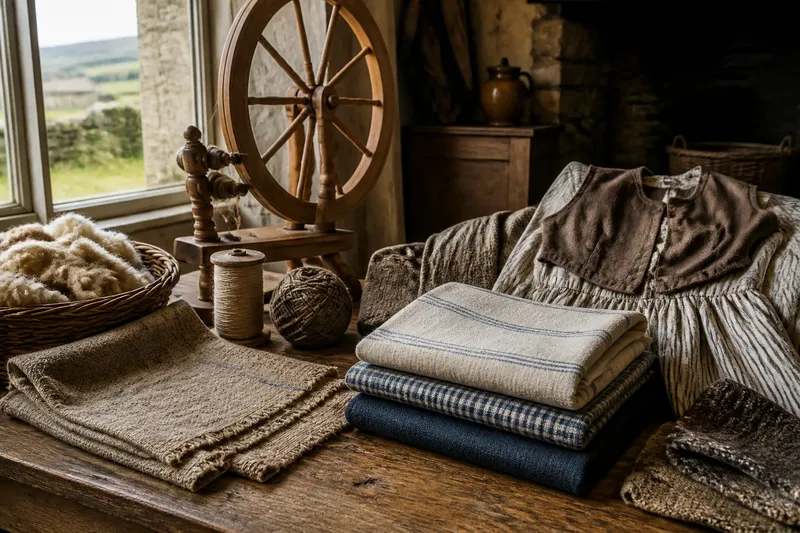
A wool fibre is not a smooth, straight filament. It has a scaly outer surface and a waviness called crimp, which gives wool yarn its spring and loft. When fibres are spun together, they do not pack into a perfectly flat, airtight sheet. Their bends leave small spaces in the yarn and cloth.
Those spaces can hold air close to the body. Still air slows the passage of heat, so a lofty wool fabric can help reduce heat loss. The principle is rather like a draught excluder at a door: it is the trapped air in the soft pile, not a solid barrier alone, that does much of the insulating work.
Crimp also helps a yarn recover after it has been bent or compressed. The amount of loft depends on fibre type, spinning, knitting or weaving, and finishing. A brushed woollen cloth, a tightly woven worsted jacket and a fine merino base layer may all be wool, yet feel and behave quite differently.
How does wool’s structure change the feel?
Loft often makes wool feel soft, springy and substantial. But warmth does not tell you whether a garment will feel comfortable against bare skin. Coarse fibres may prickle, especially at the neck or wrists, while fine fibres are often less noticeable. Personal sensitivity varies, so a brief touch against the inside of your wrist can be more useful than judging a garment by its label alone.
Yarn and cloth construction matter too. A lofty knit can feel cushiony and flexible; a dense woven wool may feel smoother and more protective from wind. A close-fitting layer puts fabric near the body, while a roomy jumper leaves more space within the garment. Neither is automatically warmer in every situation: fit, outer layers and air movement all affect comfort.
How should you choose wool for country wear?
Start with the job the garment will do, then consider how it will sit with the rest of your clothing.
- For a layer next to skin: Look for a fine, soft knit and check how the seams and neck feel. If you are sensitive to wool, try it over a light cotton layer instead.
- For a jumper over a shirt: A springy, moderately lofty knit can leave room for air without feeling cumbersome. Check that the sleeves still allow you to reach and bend comfortably.
- For a windy walk: Wool’s trapped air helps with warmth, but a loose knit can let wind pass through. A closer-woven outer layer can reduce that draught while the wool provides insulation beneath it.
- For damp, changeable weather: Consider the full outfit, including a suitable outer shell. Wool can absorb moisture into the fibre, but a wet garment may feel heavy or lose some of its loft as it becomes compressed.
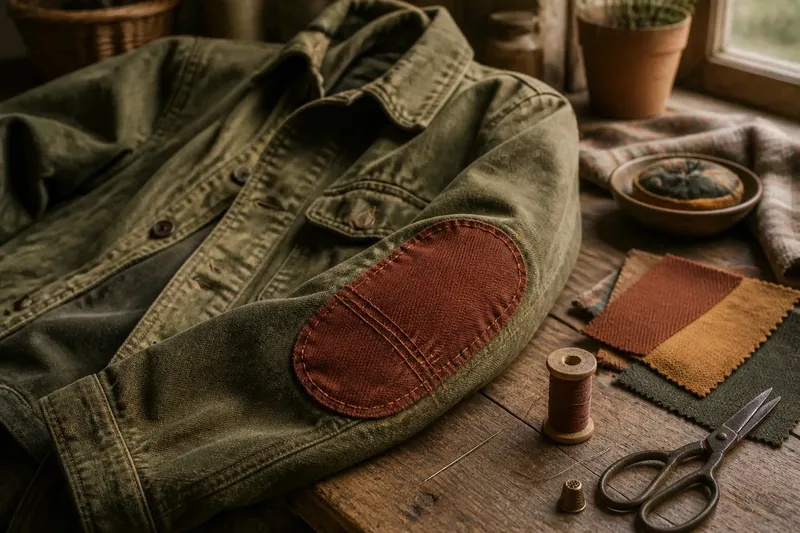
- For hard-wearing work clothes: Examine the cloth at likely rub points, such as cuffs and elbows. A firm fabric may suit repeated contact better than a very airy knit, though comfort and care needs still matter.
Say you need a layer for an invented, hypothetical morning of opening a chilly shed and then walking to the village. You choose a soft wool jumper that sits comfortably over a cotton shirt, with a close-woven coat for the breezy walk. You would expect the jumper’s loft to hold some still air, while the coat limits the gusts that can disturb it; if you later feel too warm indoors, removing the coat gives you an easy adjustment.
Why can wool feel warm but still breathe?
Warmth and ventilation are not opposites. The spaces in a wool cloth can hold air, while the cloth’s overall construction may still allow some water vapour and warmth to move through it. A loose, open knit generally behaves differently from a dense woven fabric, so the fibre alone cannot tell you exactly how a garment will feel during activity.
As you walk or work, your body produces heat and moisture. A heavy, close-fitting layer may become uncomfortable if it is difficult to open or remove. For variable exertion, a wool layer that is easy to vent can be more useful than simply choosing the thickest garment. Think in terms of adjustable layers rather than asking one jumper to suit every moment.
What questions help match wool to the job?
Is thicker wool always warmer?
Not necessarily: thickness can add insulating air, but a compact fabric, a loose fit or strong wind can change how warm it feels. Consider the cloth’s loft and construction alongside the way you plan to wear it.
Does a wool garment need to feel heavy?
No. Fine fibres and an airy knit can make a light garment feel warm for its weight, while denser cloth may feel more substantial. Choose by comfort and intended use rather than weight alone.
Why does a wool jumper feel less warm when squashed?
Compression reduces the little air spaces between fibres, leaving less loft in the cloth. A tightly packed layer under a narrow coat may therefore feel different from the same jumper worn with enough room to spring back.
Can wool replace a windproof layer?
Some tightly woven wool fabrics resist a breeze better than open knits, but wool clothing is not uniformly windproof. For an exposed walk, assess the actual cloth and add an outer layer if gusts make the outfit uncomfortable.
How does care preserve wool’s useful loft?
Care affects the structure you rely on. Rough handling, excessive heat or unsuitable washing can leave wool felted, shrunken or less springy. Follow the garment’s care label and the maker’s directions, since washing methods depend on the item and its finish. If a label calls for specialist care, use an appropriate professional cleaner.
Between wears, let a wool garment air before putting it away, and avoid leaving it crushed beneath heavier clothes. For small surface lint, use a gentle clothes brush in the direction of the fabric; do not tug at loose fibres. If the knit has lost its shape, lay it flat and ease it back rather than stretching it on a hanger.
When weighing why wool holds warmth, remember that crimp supplies the potential for loft, while yarn, cloth, fit and weather determine how that potential feels on your body. Choose the garment for its place in the outfit, leave its fibres room to do their work, and keep an adjustable layer handy when the day shifts from shed to open field.