Apron or Smock for Messy Work: Which Layer Fits the Job?
Apron or smock? Compare coverage, movement and removal to choose a comfortable layer for potting, preserving, painting and other messy jobs.

When you lift a tray of seedlings, damp compost can brush your sleeves as well as your front. An apron or smock for messy work should match those contact points: an apron shields selected areas, while a smock covers more of the body.
That difference affects comfort, freedom of movement and how quickly you can take the layer off. Think of an apron as a washable shield and a smock as an outer shirt; like choosing between a tea towel and a shirt to catch a spill, the right option depends on where the mess is going.
What does an apron or smock cover?
An apron usually protects the front, though its shape matters. A bib apron covers the chest and waist; a waist apron stops lower on the torso. Both leave the arms and much of the back exposed, making them useful when splashes, crumbs or soil mostly land in front.
A smock is a loose garment worn over ordinary clothes. Depending on its cut, it can cover the shoulders, arms, chest and back. A long-sleeved smock with a high neckline offers more coverage than a waist apron, while a sleeveless smock may feel like a roomy tabard.
More coverage is not always more practical. Extra fabric can catch against a table, tool handle or crowded potting bench. Consider which parts of your clothes are likely to touch the work before choosing a fuller garment.
Which layer lets you move comfortably?
An apron leaves the arms free and is often easy to adjust at the waist. Its bib can shift or gape when you bend, however, and a long hem may catch on a stool or brush the ground. If you will wear it for a while, check that shoulder straps sit comfortably and a neck loop does not distract you as you reach.
A smock can move with you like a loose shirt, particularly if it has roomy sleeves and side vents. Excess fabric may bunch at the elbows or wrists, though, and close cuffs can get in the way of careful handwork. Try the motions your task calls for: reach overhead, bend to a low shelf and turn to pick up a basket.
Say you are potting seedlings at a waist-high bench before carrying trays to a sheltered spot. You notice that compost lands on your front but your sleeves and back stay clean; choose a bib apron, then reach and turn in it to check that the hem does not catch. If the same routine leaves damp marks on your sleeves and back, choose a light smock instead, accepting a little more fabric around your arms for broader coverage.
How quickly can you take it off?
An apron is often quick to remove, especially with a simple waist tie or an easy-to-reach buckle. That helps when you move from a messy task to a clean room. Secure long ties rather than letting them trail, and consider whether repeated tying will become bothersome.
A smock may pull over the head, fasten down the front or close with buttons. A pullover style is simple if you put it on once and leave it on, but may be awkward over a hat or hairstyle. A front-fastening garment is easier to open without pulling it over your head, though its buttons or ties take longer to manage than a quick waist knot.
Consider what lies underneath. A smock needs enough room to slide over bulky knitwear without pulling at the shoulders. If you will remove it often, check whether its dirty outside might brush against the clean clothes you mean to protect.
What fabric and cut suit the work?
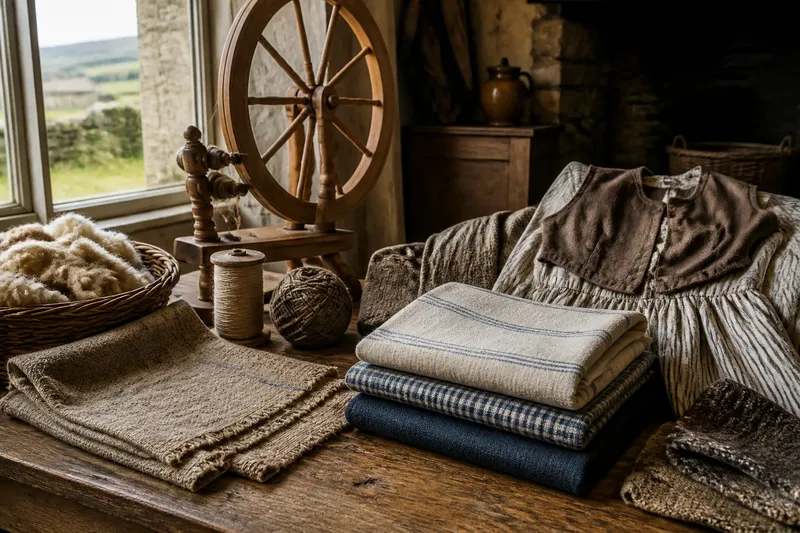
For ordinary household and garden tasks, sturdy cotton is a familiar choice because it feels comfortable over clothes and can be laundered. Tightly woven fabric may resist light splashes better than a loose weave, while softer cloth can feel less stiff as you bend. Canvas and denim are more substantial; lighter cottons are easier to gather and store.
These are practical distinctions, not a promise that a fabric will suit every mess. Wet clay, oily paint and food stains behave differently, and some finishes need particular care. Check the garment’s care label and the maker’s instructions for any protective coating.
Match seams, pockets and fastenings to the task. A large pocket can hold plant labels or a pencil, but a gaping one may collect compost. A split or gusset can make a smock easier to move in; a simple apron may feel less bulky around the hips. Avoid loose cords or decorative ties where they could snag on tools or furniture.
Which layer suits common low-risk jobs?
- Potting plants: If soil mostly lands on your front and you want your arms free, choose a bib apron; if sleeves and the back of your clothes also brush against compost or foliage, choose a smock.
- Preparing food or making jam: If splashes stay near the work surface and you want quick removal, choose a waist or bib apron; if you want sleeves covered too, choose a smock.
- Light painting or craft work: If marks are likely to stay in front, an apron may be enough; if you lean and turn so paint could reach sleeves and back, a smock offers broader coverage. Check that the fabric suits the materials and follow their product instructions.
- Feeding animals or tidying a shed: If dust or dry debris reaches your arms and back, choose a more covering smock; if the job is brief and mess stays around your waist, an apron may be simpler to remove.
Which questions help settle the apron or smock choice?
Is a bib apron better than a waist apron?
A bib apron covers the chest as well as the waist, so it suits work where splashes or crumbs reach higher on the front. A waist apron offers less coverage but may feel lighter when the task stays low on the body.
Is a smock comfortable over warm clothes?
It can be, provided its shoulders, sleeves and body have enough room to fit over your layers. Check that cuffs and hem do not bunch when you bend or reach.
Can one layer work for several different jobs?
Yes, if its coverage, fabric and cleaning needs suit those jobs. An everyday cotton apron may work for potting and kitchen preparation, while a smock covers sleeves and backs for tasks that mark those areas.
Should I choose a tie or a buckle?
A tie is easy to adjust over different layers of clothing, while an easy-to-reach buckle can be quick to release. Either should sit securely without dangling where it could catch on a bench or chair.
How can you make the final choice?
Start with the likely mess. If it lands on the front and you want to remove the layer promptly, an apron is a straightforward choice. If dirt or paint can reach your sleeves and back as you turn, a smock’s broader coverage may justify its extra fabric.
Then try the garment over the clothes you expect to wear. Reach, bend and turn; notice whether the hem drags, cuffs crowd your hands or the fastening is awkward to undo. For messy work, choose the apron or smock that covers likely contact points without making the task harder.
Keep the care label in mind, too: a layer that is easy to wash after the job is more useful than one whose fabric or finish needs care you cannot provide. That small check can settle a close choice between two otherwise suitable garments.