A Seasonal Closet Changeover Without the Guesswork
A seasonal closet changeover helps you sort country clothes by likely use, comfort and storage needs, while keeping dependable layers close at hand.
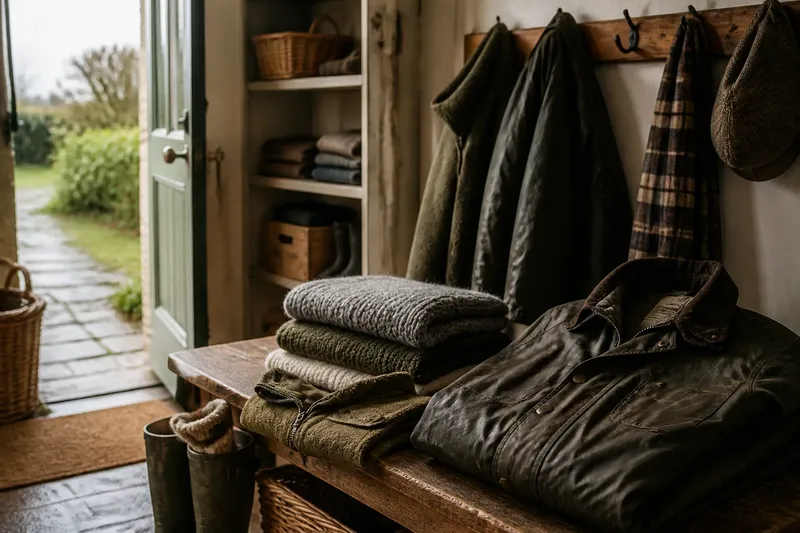
Which coat should stay by the door when the morning is cold but the afternoon turns mild? A seasonal closet changeover works best when it answers that question before you pack anything away. In a country wardrobe, a waxed jacket, wool jumper and sturdy trousers may all earn their place in more than one season; the aim is not to empty a rail, but to make the clothes you are likely to wear easier to find.
When should you change over a seasonal wardrobe?
Choose a changeover point when the weather begins to favour a different set of clothes, rather than treating the calendar as a command. A spell of damp, cool days may call for a different arrangement from a bright stretch with chilly starts and warm afternoons. The local pattern matters: exposed lanes, a shaded garden and an unheated shed can each feel like a different forecast.
Look for a steady change in what you reach for. If you keep putting a heavy coat back on its hanger and pulling out a lighter waterproof, that is useful evidence. Make the adjustment in stages if conditions are unsettled: move a few likely layers forward, then review the arrangement after you have worn them.
How do you decide what stays within easy reach?
Sort clothes by likely use, not by a strict label such as “summer” or “winter”. A breathable shirt might work beneath a jumper on a cool morning, while a familiar fleece can remain useful through much of the year. Keep the pieces that answer changing conditions near the front of the wardrobe or on the most accessible hooks.
Think about where each garment is used. Clothes for milking, walking the dog, gardening or driving may need to be reachable in different places. A muddy pair of boots belongs near the back door, not beneath folded shirts; a dry spare layer may be more useful in the hall than in a bedroom cupboard.
- Often worn: Keep dependable layers and everyday trousers where you can reach them without moving other clothes.
- Weather-dependent: Leave one useful option nearby, such as a light waterproof or warm gilet, if conditions can turn quickly.
- Occasional: Store formal or seldom-used garments out of the main working space, but keep them accessible enough to retrieve without disturbing everything.
What should you check before storing clothes?
Check each item for dirt, damp, lingering smells and small snags before it goes away. Soil and food marks can become harder to deal with after storage, while a garment put away damp may develop an unpleasant smell. Brush dry mud from boots and outerwear outdoors; use the care label and the maker’s instructions to choose an appropriate wash or cleaning method.
Let garments dry fully before packing them. Fasten zips and buttons if that helps a garment keep its shape, and empty pockets so a stray tissue, seed packet or pencil does not surprise you later. Place clean clothes in a dry, clean storage space away from direct sunlight, and avoid crushing delicate pieces beneath heavy ones.
For wool, cotton, waxed cloth and leather, care needs can differ. Do not assume one cleaning routine suits every fibre or finish. Follow the garment label or manufacturer’s guidance; where local rules apply to disposal or pest treatment, check those before acting.
Where should out-of-season clothes go?
Choose storage that suits the room as well as the garment. A breathable cotton bag or clean pillowcase can help keep dust off a folded item; a sturdy box can protect clothes from being knocked about. Keep containers dry, and do not push them into a damp outbuilding simply because it is out of sight.
Fold heavy knitwear rather than leaving it hanging for a long spell, which can pull it out of shape. Hang structured jackets on suitable hangers if there is room. Store footwear clean and dry, with pairs together, so you can find them when the weather shifts again.
Use a simple label that says what is inside and where it belongs, such as “warm layers—bedroom cupboard”. This is less like filing an archive than putting the right tools in the shed: the label should help you retrieve a useful thing without opening every box.
How can you avoid packing away something you still need?
Before storing a garment, ask whether you would realistically wear it in the coming weeks. Consider comfort as well as temperature: a wool jumper may be warm but too cumbersome for a brisk walk, while a thin shirt might still be useful under waterproofs. If you are unsure, keep one versatile version accessible and put away the rest.
Imagine you have a lightweight waxed jacket, two thick jumpers and a fleece on the chair after a week of changeable weather. You decide the jacket and fleece are likely to be used for errands and outdoor chores, so they go on the accessible hooks; the jumpers are clean and dry, but folded in a labelled box until colder days return. The visible result is a clearer rail and a nearby option for both rain and a cool breeze, without pretending the weather will follow a neat seasonal schedule.
Try on a garment if comfort is uncertain. A coat that pulls across the shoulders or trousers that feel awkward when you bend may not be a practical choice simply because they are warm. Set aside items that need attention rather than returning them to the active wardrobe as though they were ready to wear.
What if the weather changes again?
Keep a small bridge between the two seasonal arrangements. This might be a light jumper, a thin base layer or a compact waterproof, depending on what you wear and the conditions around you. Put these transition pieces where they are easy to grab, rather than sealing away every item that does not fit the dominant season.
Review the arrangement when your habits change, not only when the forecast does. If you start walking a different route, working outdoors more often or spending less time in the garden, the useful clothes may change too. Move garments according to actual comfort and use, and let the rest wait in storage.
Which questions help with a seasonal closet changeover?
Should I store clothes that I have not worn recently?
Not automatically. Consider whether the garment still fits, feels comfortable and suits an activity or occasion you expect to have; if it does, store it cleanly or keep it accessible as the season requires. If its role is unclear, set it aside for a separate decision rather than letting it crowd the clothes you reach for.
Is it better to hang or fold seasonal clothes?
Use the garment’s shape and weight as a guide: structured jackets generally benefit from a suitable hanger, while heavy knitwear is usually better folded. Leave enough room for clothes to sit without being crushed. Care labels or maker guidance take priority where a fabric or finish has particular needs.
Can I keep working clothes with everyday clothes?
You can, if they are clean and their storage will not transfer mud, oil or strong odours to other garments. Many people find a separate hook or shelf near the entrance more convenient for clothes used outdoors. Keep clean spare layers apart from soiled gear.
How do I make the next changeover easier?
Return stored items to the same clearly named place and leave the clothes most likely to bridge seasons within reach. When you put something away, note any simple follow-up, such as a missing button or a wash still needed. The next seasonal closet changeover then begins with a useful arrangement, not a search through forgotten piles.
A seasonal closet changeover is a small adjustment to the way you use your space, not a test of perfect organisation. Keep the garments that suit your likely days nearby, store clean and dry pieces with care, and leave room for weather to surprise you. A wardrobe arranged around real wear can make a cold start, a sudden shower or a muddy walk easier to meet.